The East African Crude Oil Pipeline (EACOP) is a $5 billion infrastructure project stretching 1,443 kilometers from Uganda’s Lake Albert oilfields to the port of Tanga in Tanzania. As the world’s longest heated crude oil pipeline, its construction phase, ongoing until the end of 2026, will introduce millions of vehicle miles to the region’s roads, significantly increasing traffic and road safety risks.
Recognizing these risks Amend is working on the EACOP project to keep communities along the pipeline construction route safer on the roads.
Amend’s work on EACOP includes:
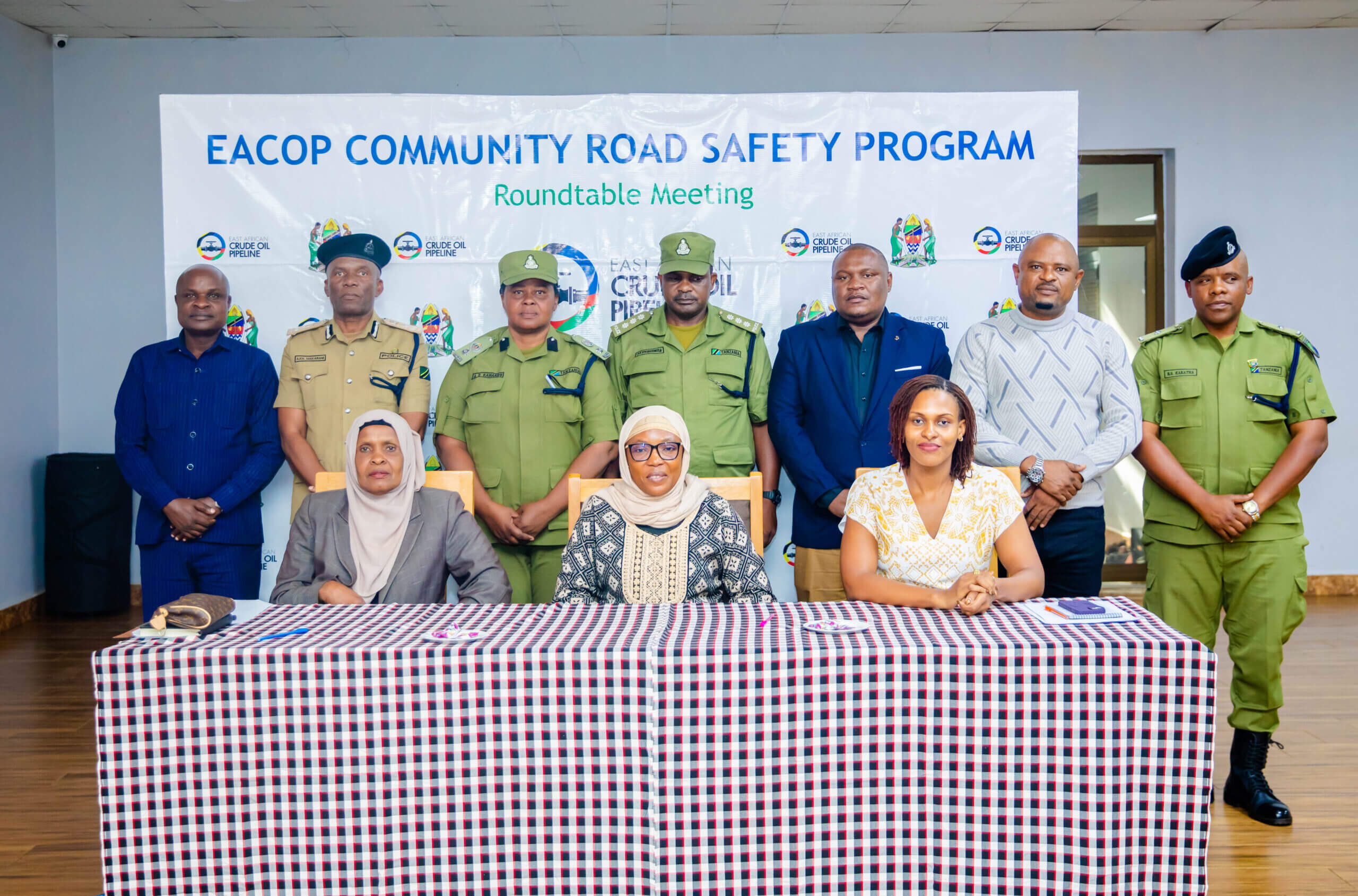
- Stakeholder Engagement: We organize national, regional, and local road safety roundtables and maintaining ongoing dialogue with key stakeholders.
- Injury Response Policy Development: We collaborate with EACOP’s safety and logistics teams to create clear mechanisms for responding to road traffic incidents, reducing injury severity and fatalities.
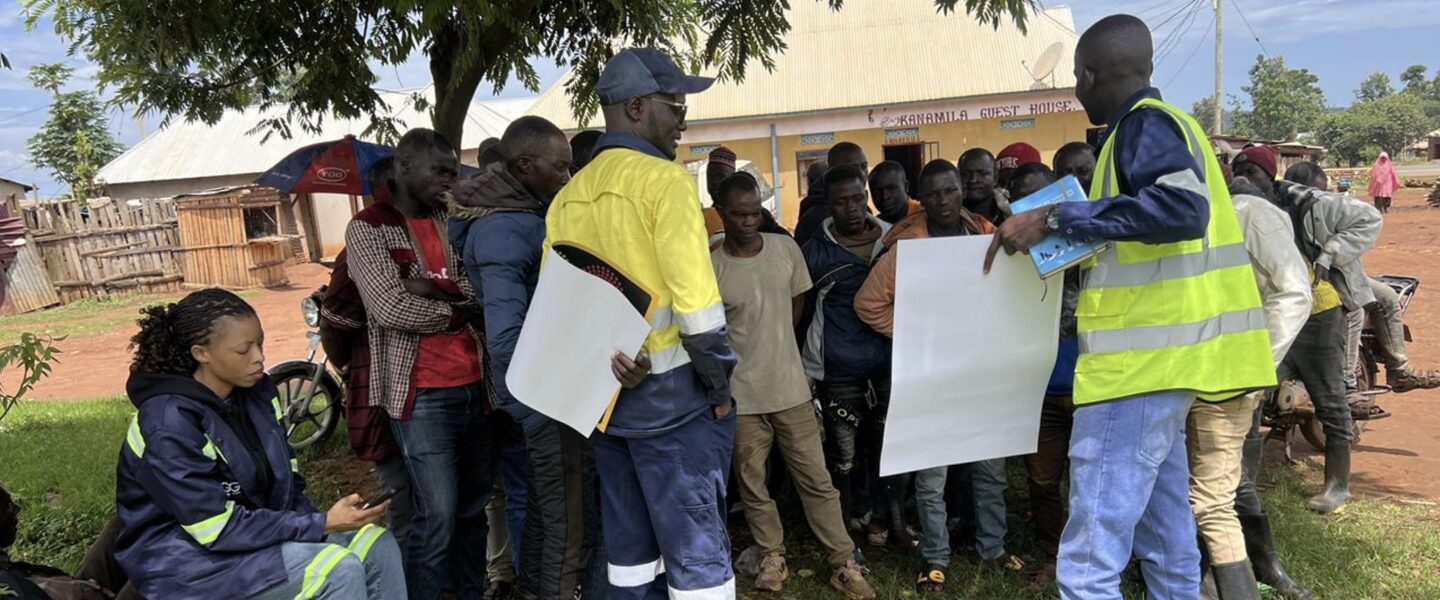
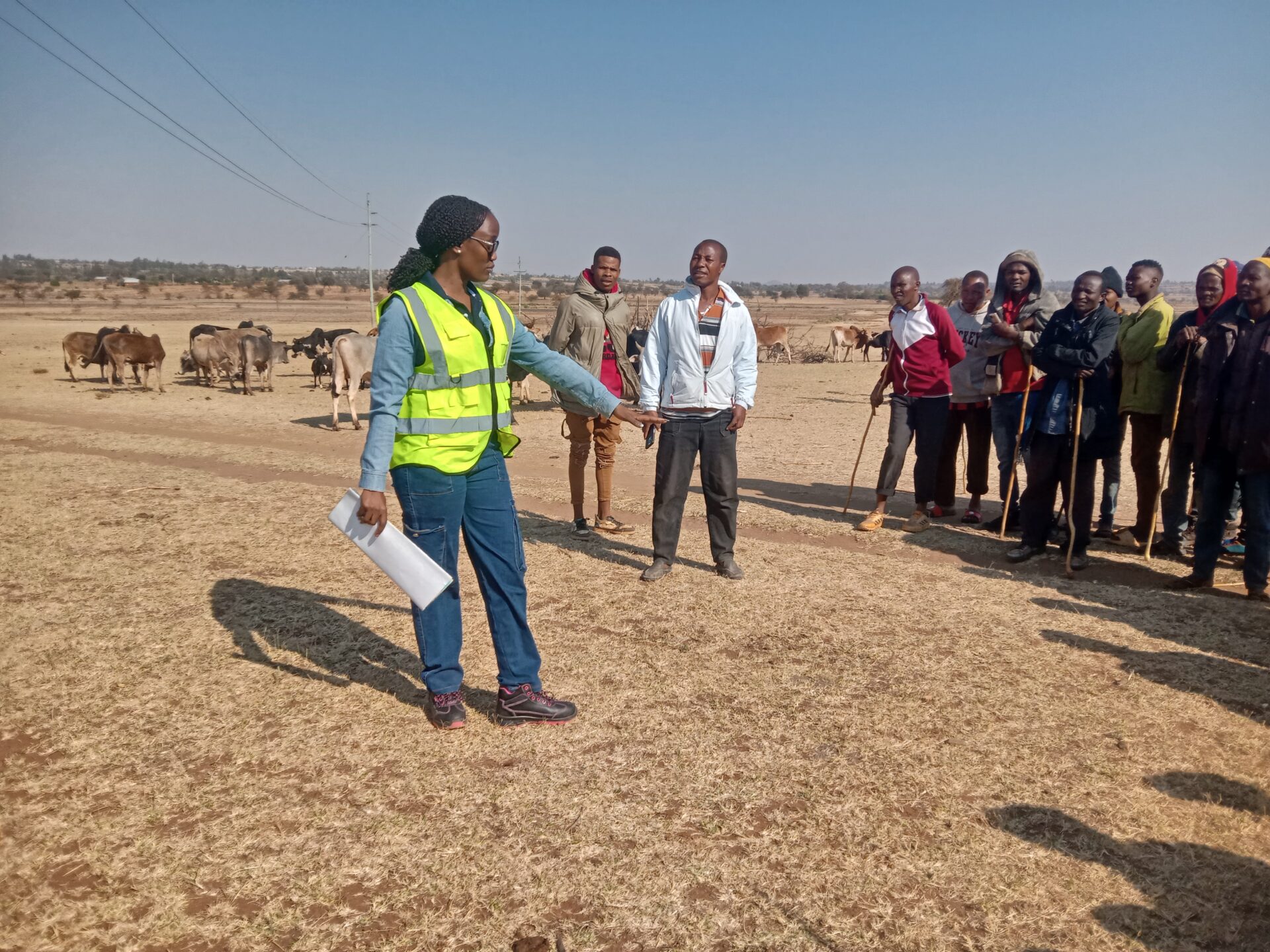
- Community-Based Road Safety Activities: We have deployed Community Road Safety Coordinators and Assistants to develop site-specific Injury Mitigation Plans, conduct school and community road safety education, and train motorcycle riders. They are based in the field at various points along the length of the pipeline.
- Road Infrastructure Assessments: We identify high-risk locations, conduct safety assessments, and recommend improvements to enhance road safety.
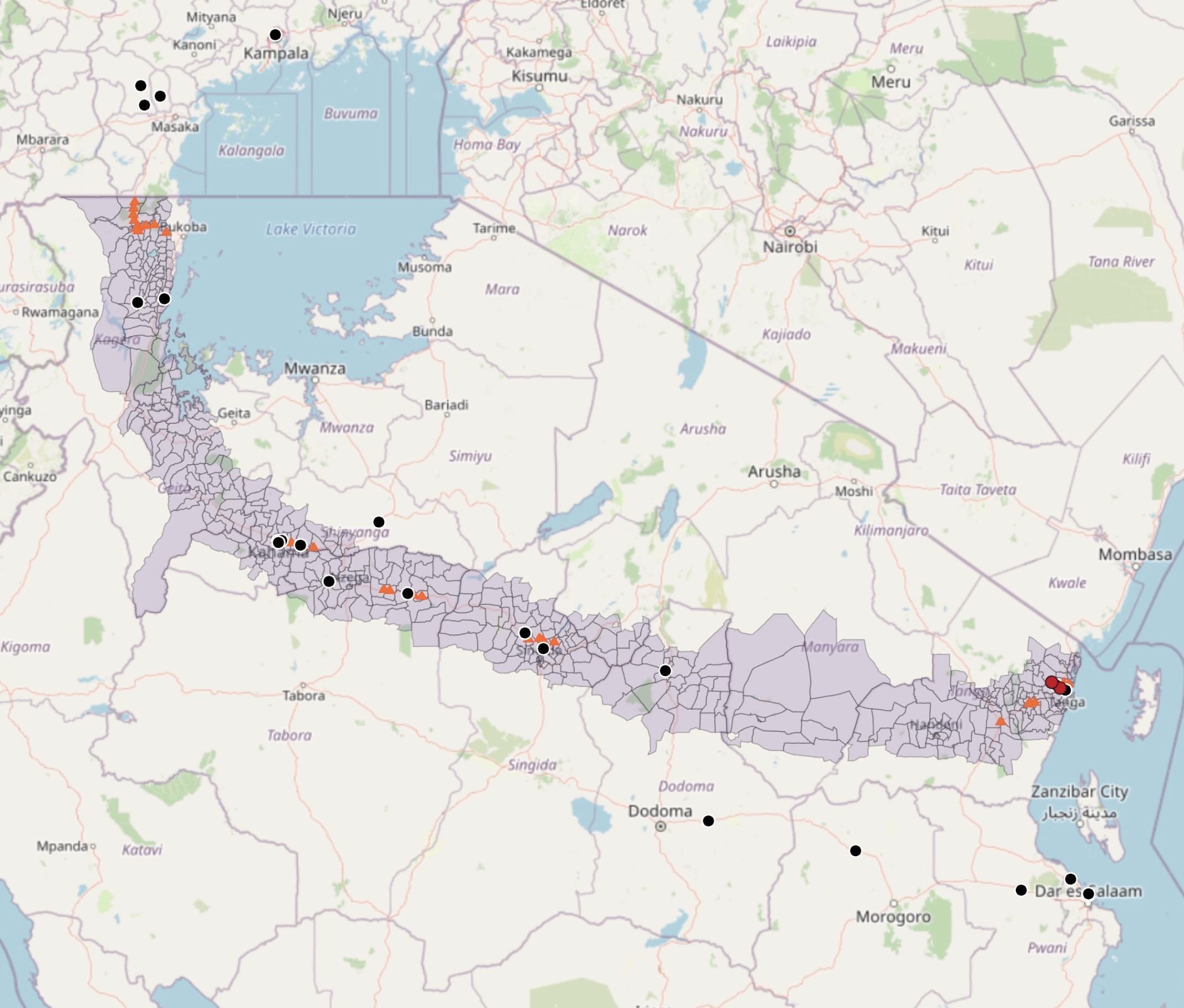
- Monitoring and Evaluation: We have developed and are maintaining an online, visual database to track road traffic incidents using data from EACOP, Traffic Police, communities and other sources to inform and adapt safety programs.
- Support for the development and implementation of the Community Road Safety Programme in Uganda
While the EACOP project is controversial due to environmental concerns, community displacement, and climate change impacts, its construction is well underway. Regardless of differing opinions, without proactive safety interventions, increased traffic will result in more road injuries and fatalities. Amend’s work is vital in mitigating these risks, ensuring infrastructure development does not compromise community safety.