Billions of US dollars are invested in road development projects in Africa each year. Yet, despite existing safeguards, roads that fail to meet the minimum 3-star safety standard are still being built.
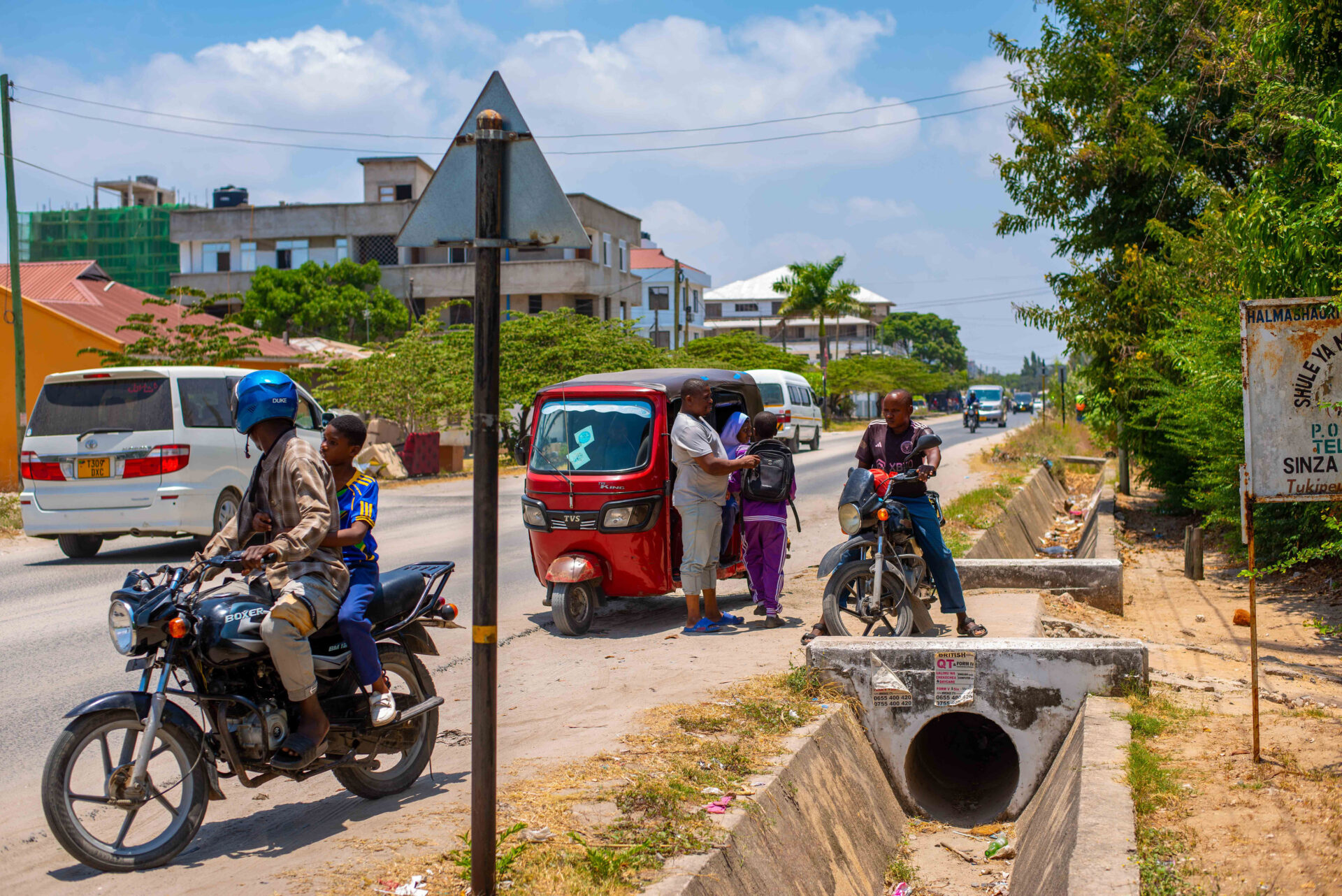
Traditionally, the focus of road engineers in Africa has been on providing for vehicles – even though only a minority of people own cars. As a result, the design and construction of many roads do not accommodate the majority of road users – those who walk, take public minibuses and motorcycle taxis, or cycle.
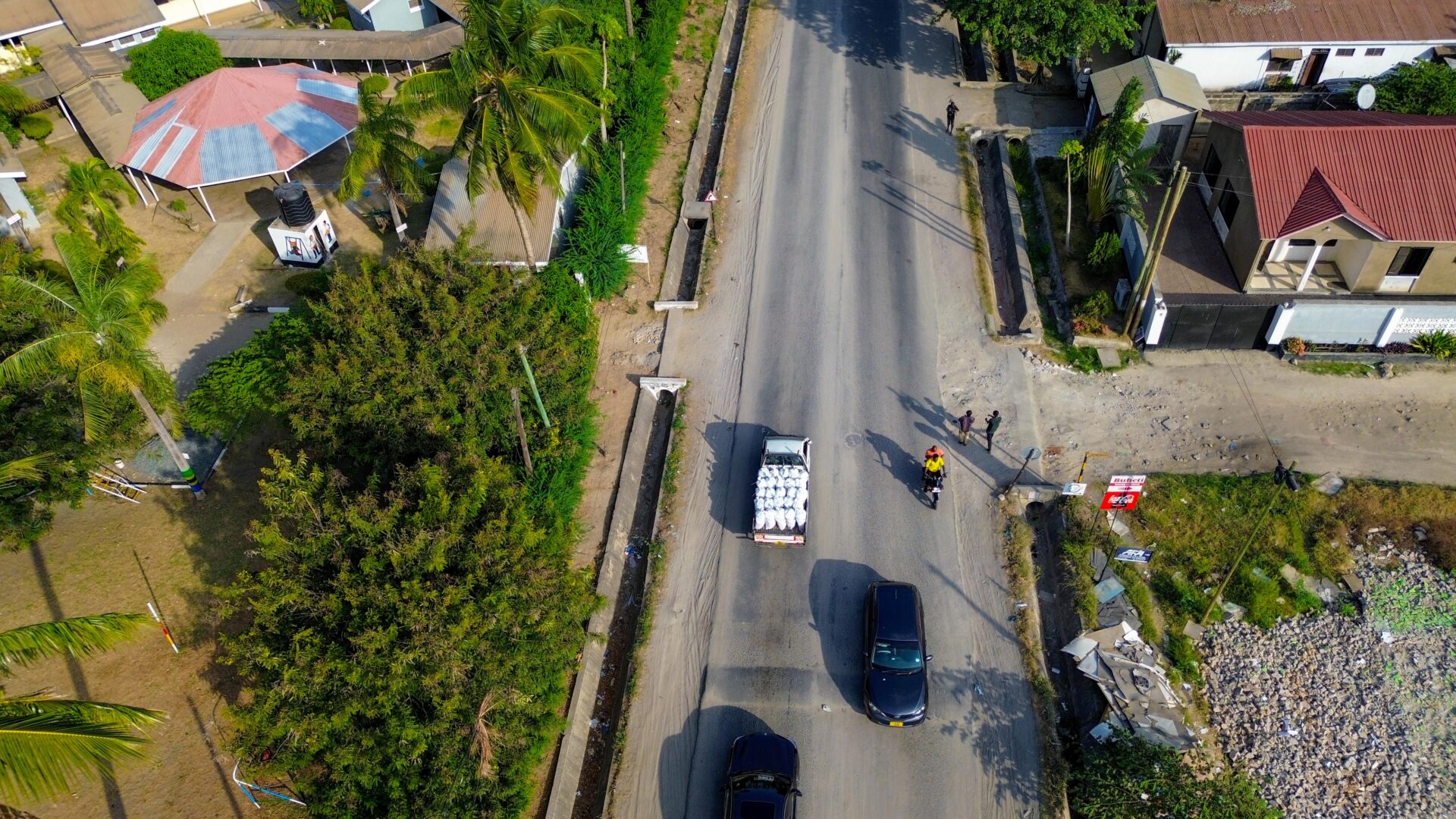
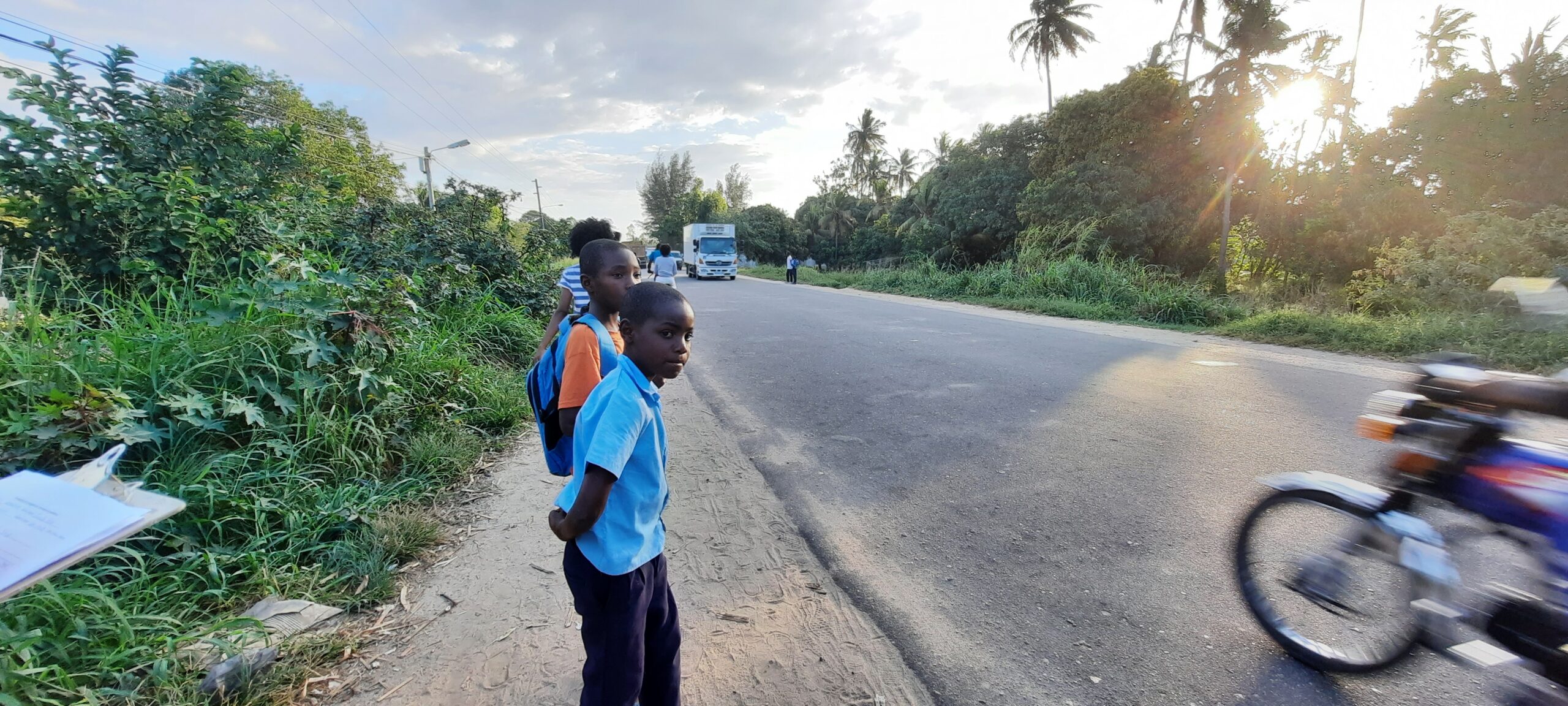
With little protection for non-motorized users, and often ineffective control of vehicle speeds where pedestrians and vehicles interact, pedestrians – especially children – are at great risk.
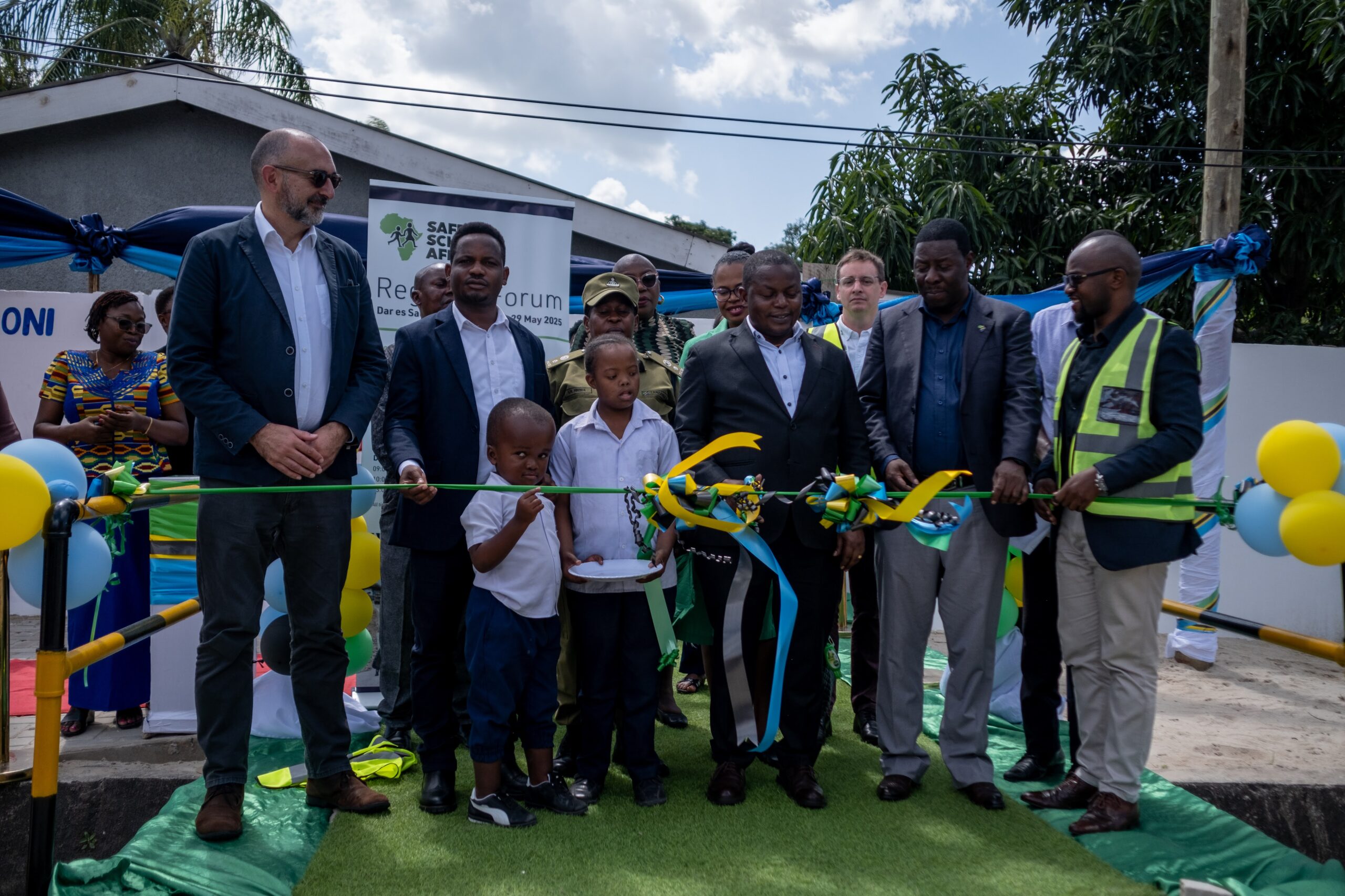
The Safe Schools Africa program aims to create roads where children can walk safely, thereby also improving their health, well-being, and the environment. The program builds on over twenty years of experience implementing a variety of initiatives to address the child road traffic injury epidemic in Africa, including Amend’s award-winning and proven-effective School Area Road Safety Assessments and Improvements program (SARSAI).
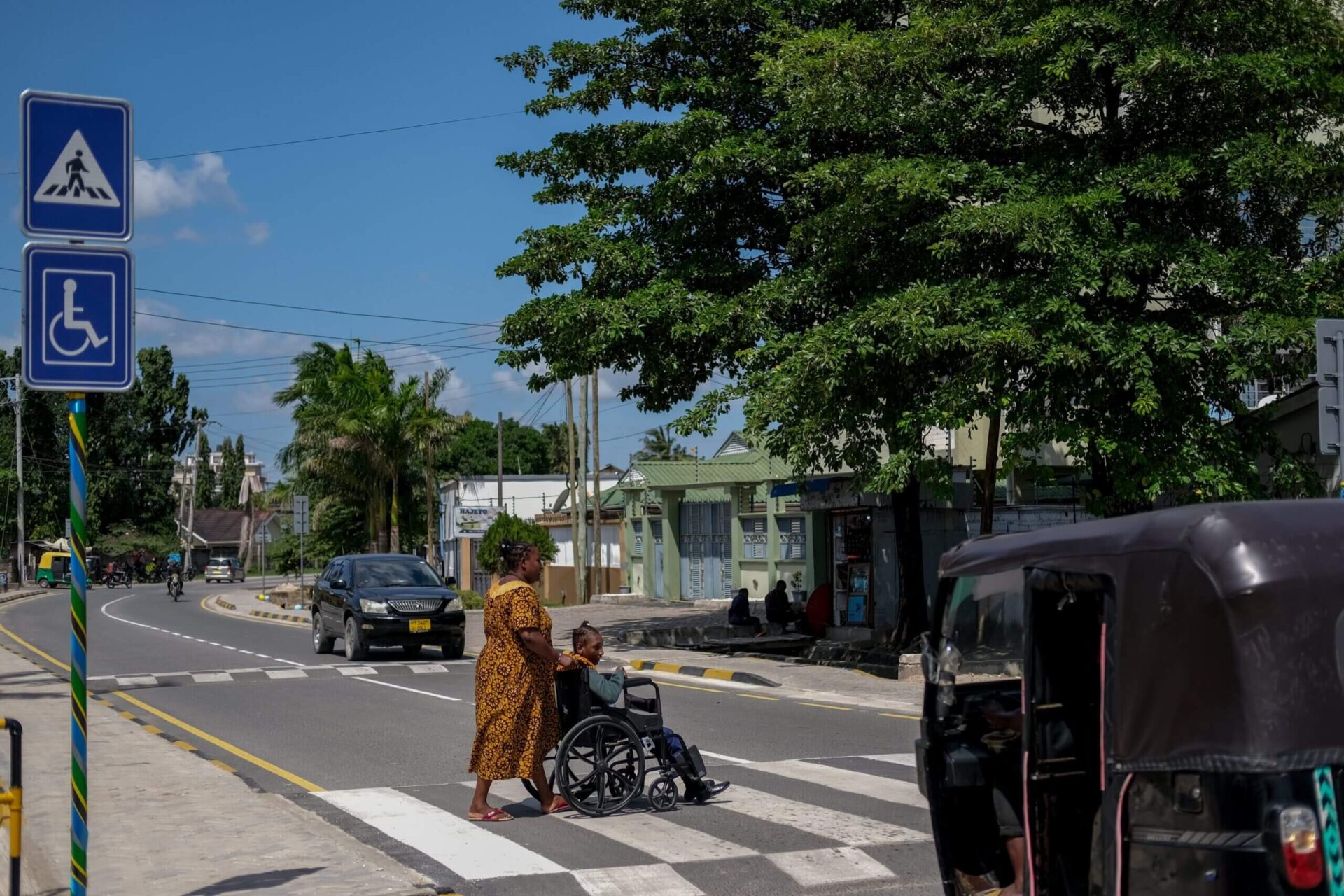
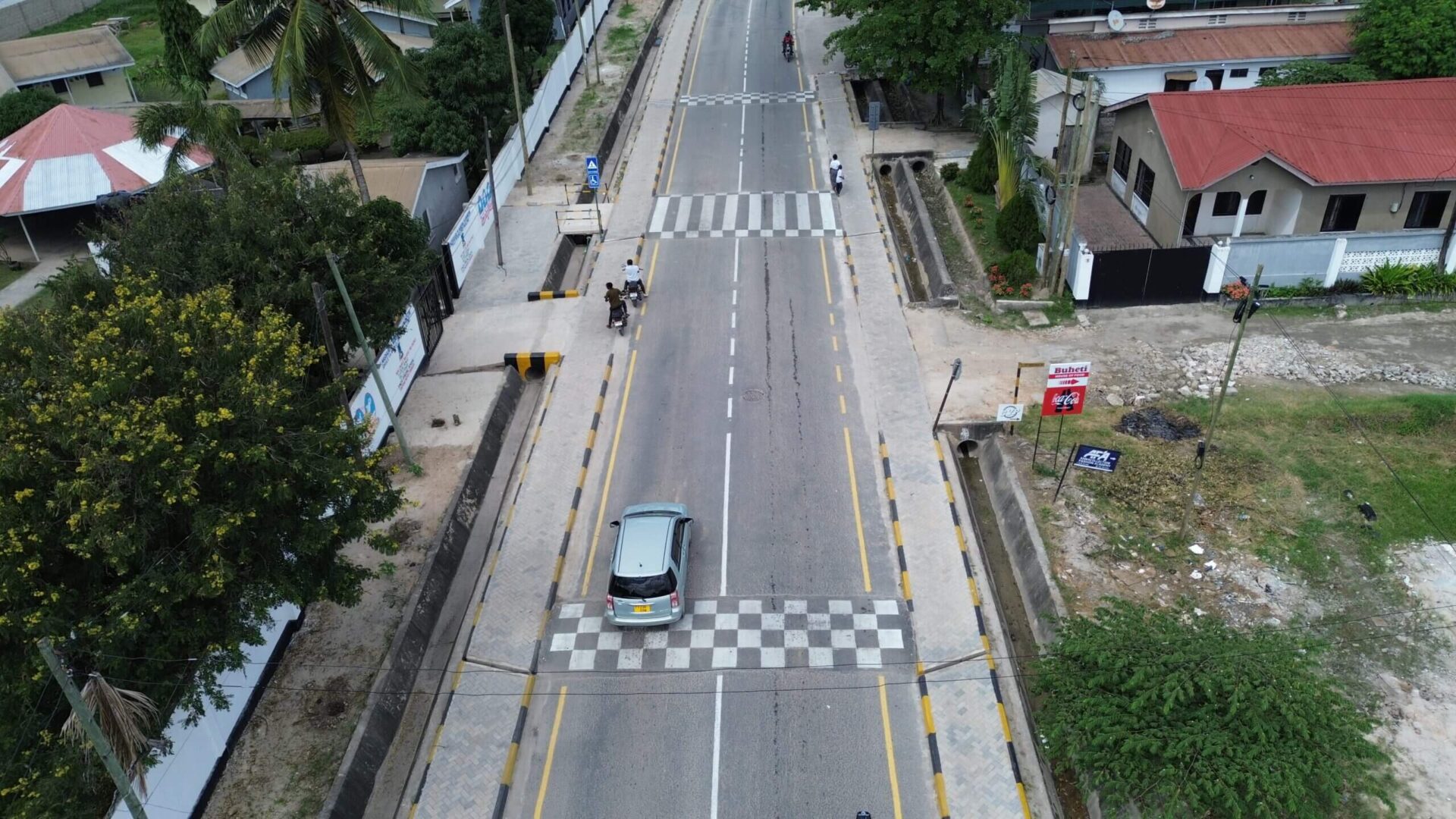
SARSAI focuses on separating children from traffic and reducing vehicle speeds where children and traffic do interact with infrastructure interventions such as school fencing, repositioned entrances, footpaths, traffic calming measures, signage, designated pedestrian crossings, and more.
Safe Schools Africa currently operates under four key pillars:
- Demonstration Projects: Safe Infrastructure implementation showcasing safe school zones in high-risk areas (SARSAIs);
- Technical Assistance: direct, proven-effective support for road projects to embed safety from planning through design to construction;
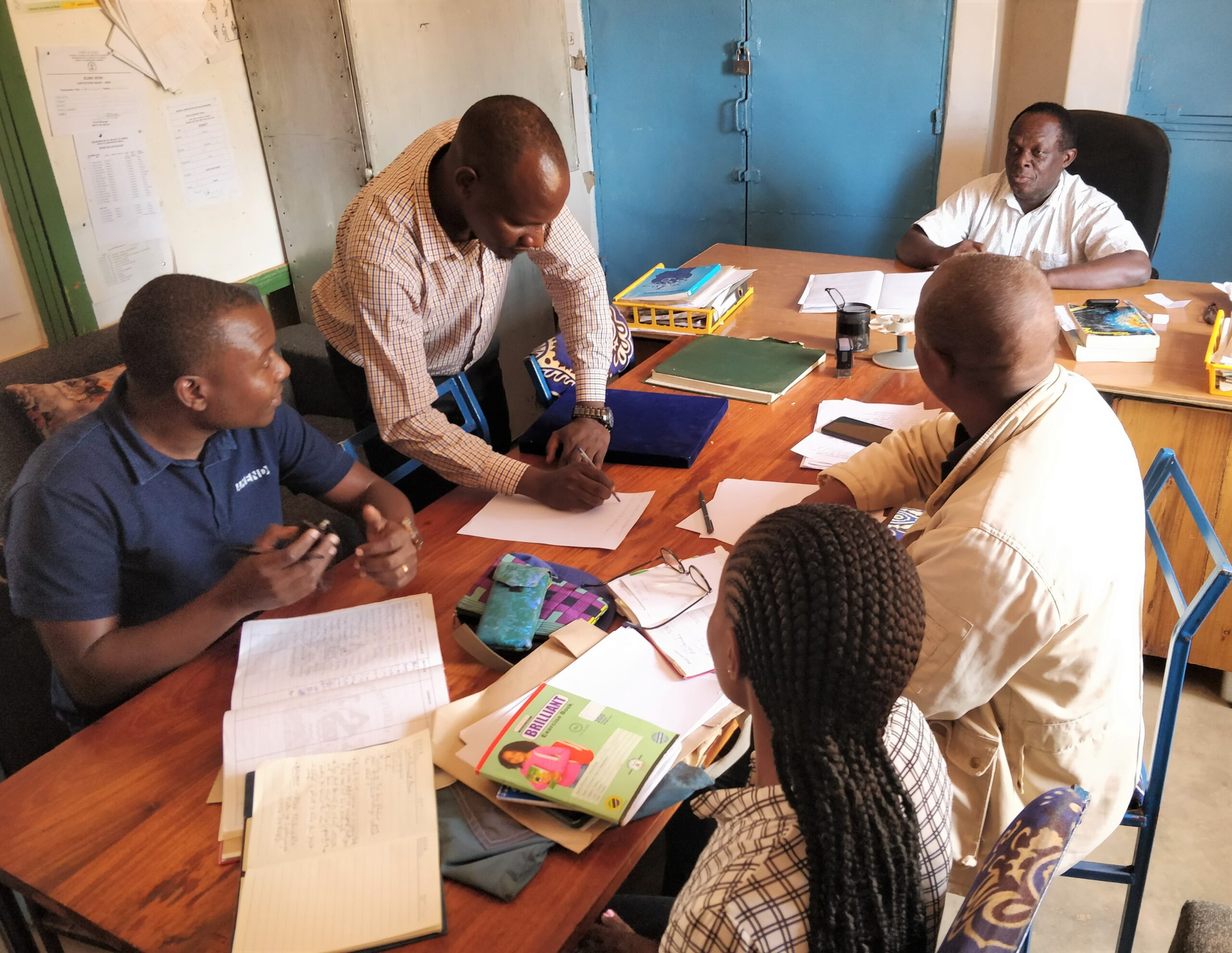
- Capacity Building: hands-on capacity building to empower local engineers and authorities to adopt safer designs;
- Advocacy: Local and global advocacy to influence road safety funding and policy.
As of 2025, the Safe Schools Africa partnership is providing assistance on ten development bank-financed road projects across five countries, covering approximately 767 kilometers of roads and impacting over 135,000 school children at more than 140 schools directly along project roads.
Since 2012, approximately 100 schools have received infrastructure through SARSAI, improving safety for over 100,000 children.
The full Safe Schools Africa prospectus is available to download in English and French.