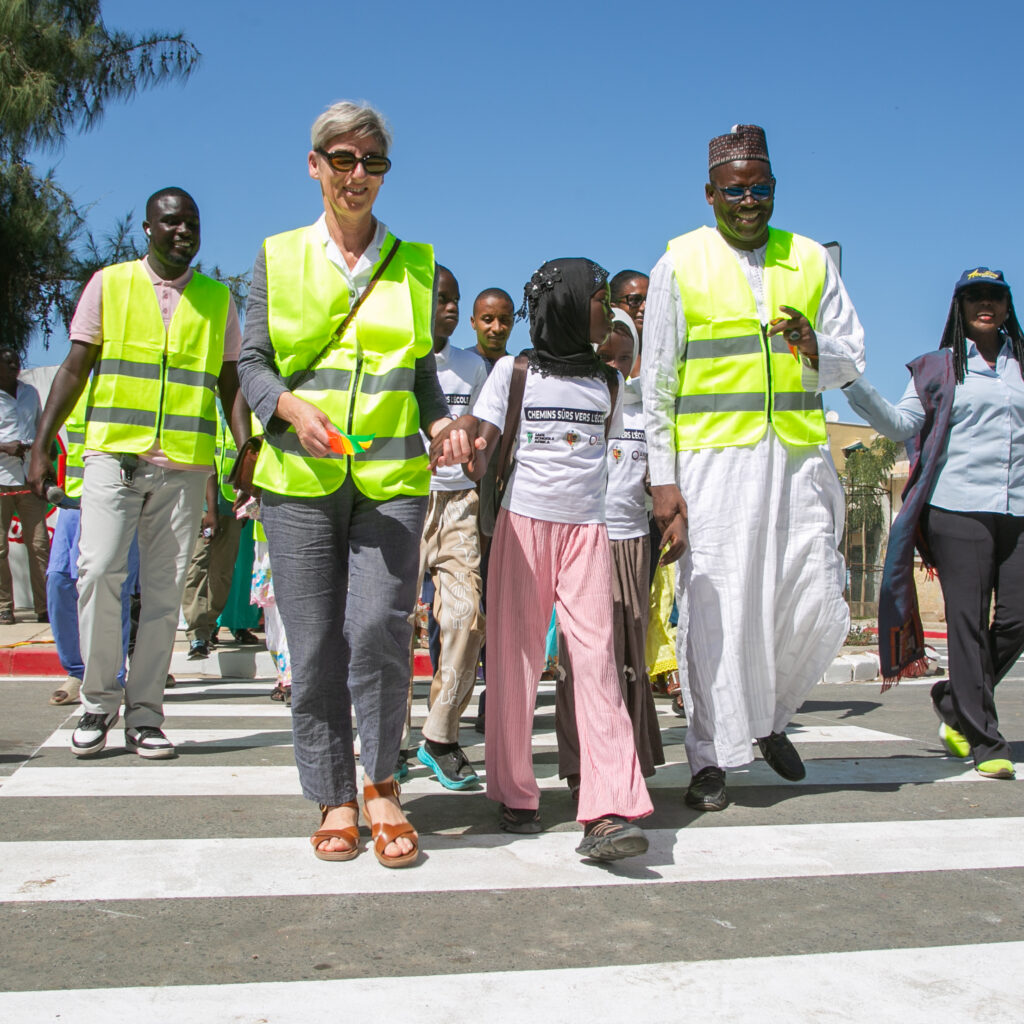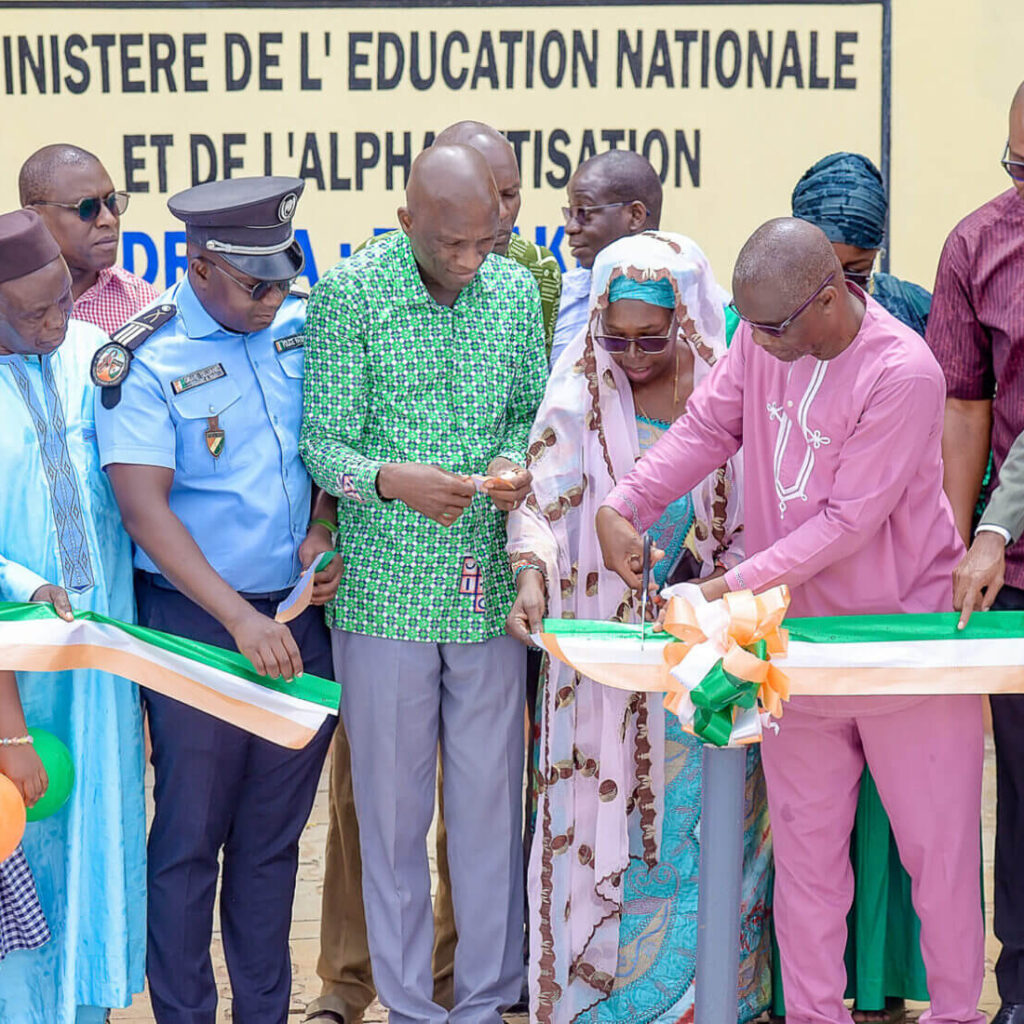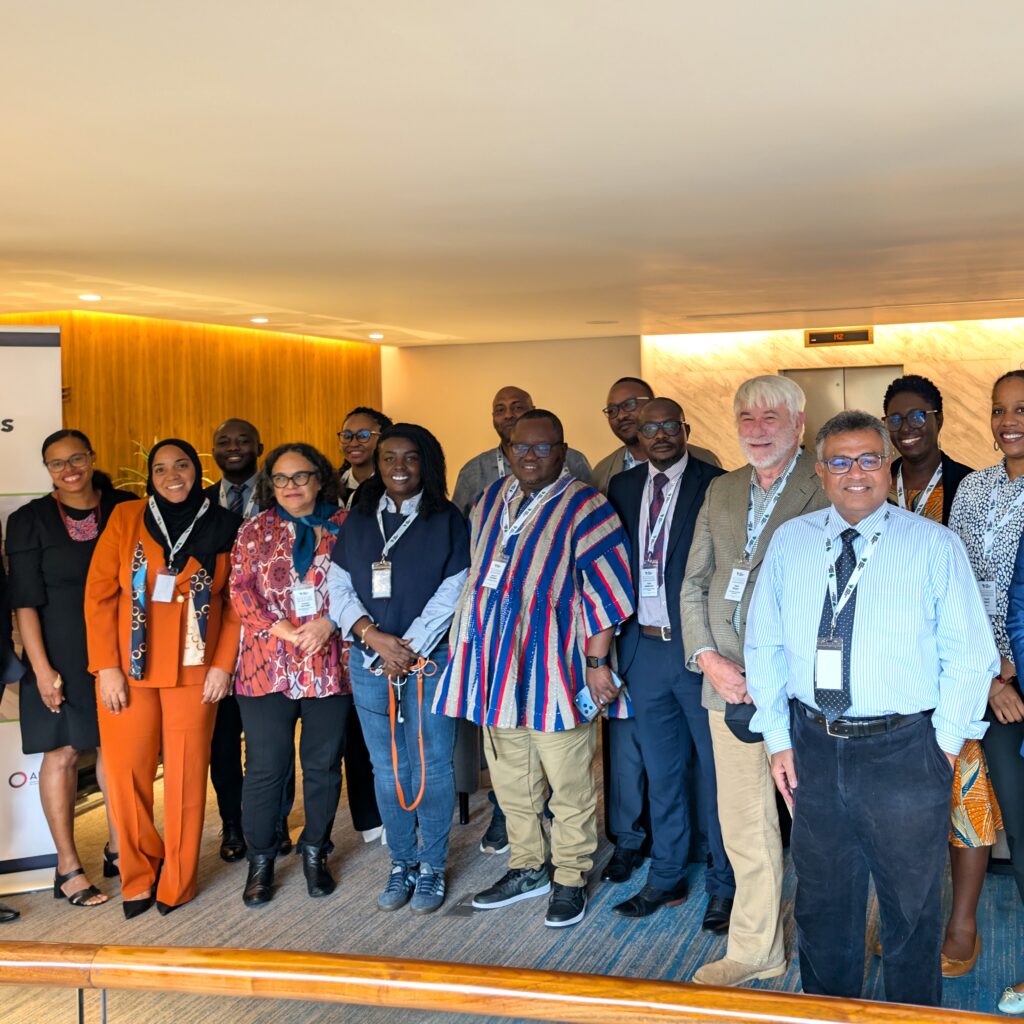
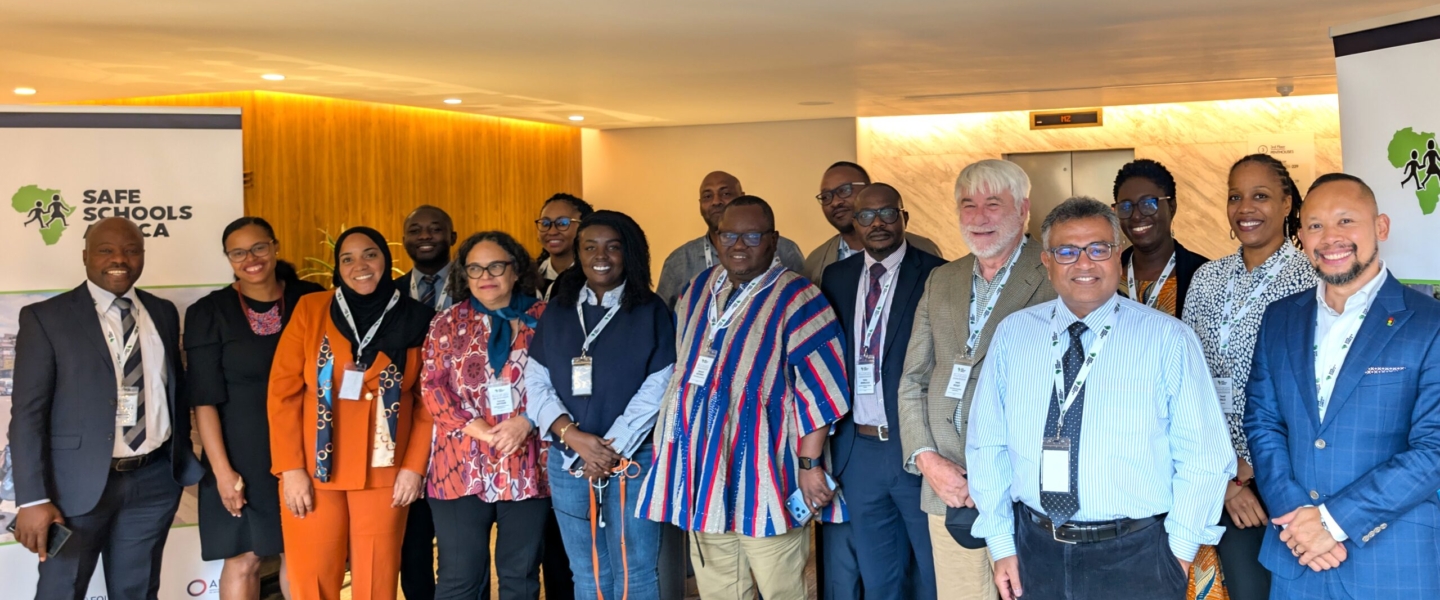
On 25 November 2025, Amend and the FIA Foundation convened government agencies, engineering consultants, and development partners from across Sub-Saharan Africa for a Roundtable in Johannesburg dedicated to one shared question:
What are the opportunities to embed and prioritize road safety for children and other vulnerable road users throughout the life cycle of a road project?
The event brought together professionals who shape road projects at every stage – from initial identification through construction and evaluation – creating a rare space for candid discussion, practical reflection, and multidisciplinary problem-solving.
Understanding the Challenge: Why Child Safety Must Be Built In Early
The day opened by grounding participants in the everyday realities of African school journeys.
A short interactive poll revealed a striking consensus:
- Every attendee had heard of a child being injured in a road traffic crash this year in their own city.
- The majority knew of multiple cases.
- Walking remains the dominant mode of travel for schoolchildren across the region.
A powerful case study from South Africa illustrated the long-term consequences of a road traffic injury involving a six-year-old girl – from prolonged recovery to reduced school engagement and ongoing psychological trauma.
The story underscored a core truth behind Safe Schools Africa’s work: road design decisions profoundly shape children’s health, mobility, and access to education. This foundation set the tone for the day’s discussions: child safety is not an “add-on” but a fundamental requirement of people-centred road design.
Safe Schools Africa: Strengthening Systems, Not Just Sites
Amend and the FIA Foundation presented an overview of the Safe Schools Africa programme, and how it works with governments and MDB-financed road project teams to integrate child safety systematically into project processes. Key elements include:
- Demonstration projects that show what safe school zones look like in practice
- Technical assistance to road projects financed by the World Bank, African Development Bank, and others
- Capacity building for governments and design teams
- Cross-cutting advocacy to influence policy, standards, and long-term institutional practice
Nine ongoing road projects across Ghana, Mozambique, Tanzania and Zambia shared brief updates, reflecting growing momentum in adapting road designs to the needs of children and other vulnerable users.
Where Influence Lies: A System-Wide Perspective
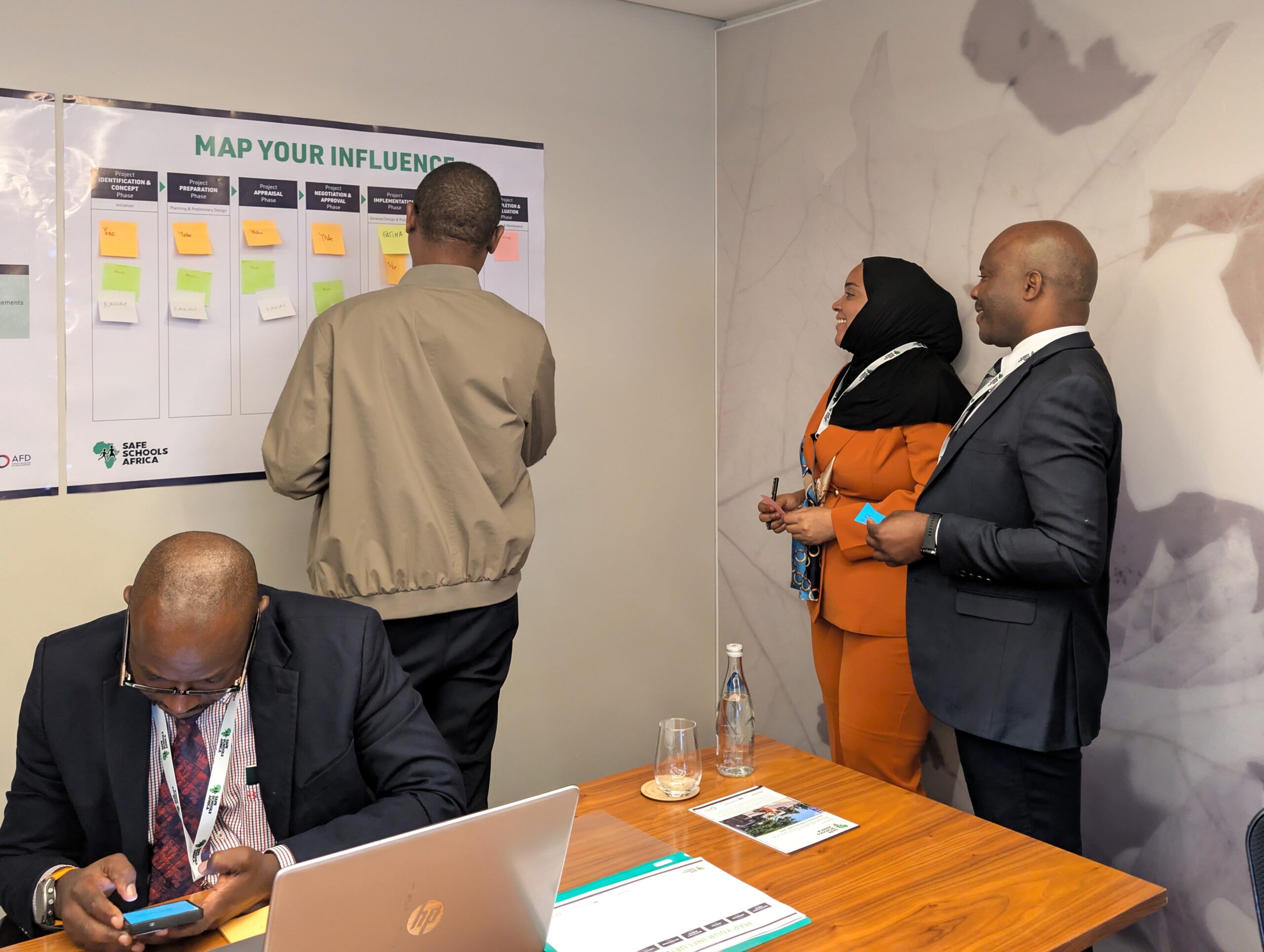
One of the major themes that emerged from the Roundtable was the importance of mapping influence across the road project cycle. Participants reflected on where their work has the most impact – from early project identification and appraisal, to detailed design, procurement, construction, and long-term operation. A key insight stood out:
The greatest opportunity to safeguard children is at the beginning of a road project – during project preparation and appraisal.
Once detailed design is underway, meaningful improvements become harder to introduce without contract variations or additional funding. This finding echoed across agencies and countries.
Participants also emphasised the importance of:
- Including school-area requirements in project appraisal documents
- Ensuring design teams have the technical capacity to implement safe, people-centred solutions
- Developing national guidance for Safe School Zones to strengthen consistency and accountability
These insights brought practical clarity to the question at the heart of the Roundtable: not only what needs to change, but where in the system it must be embedded.
Collaborative Problem-Solving: Designing for Real School Journeys
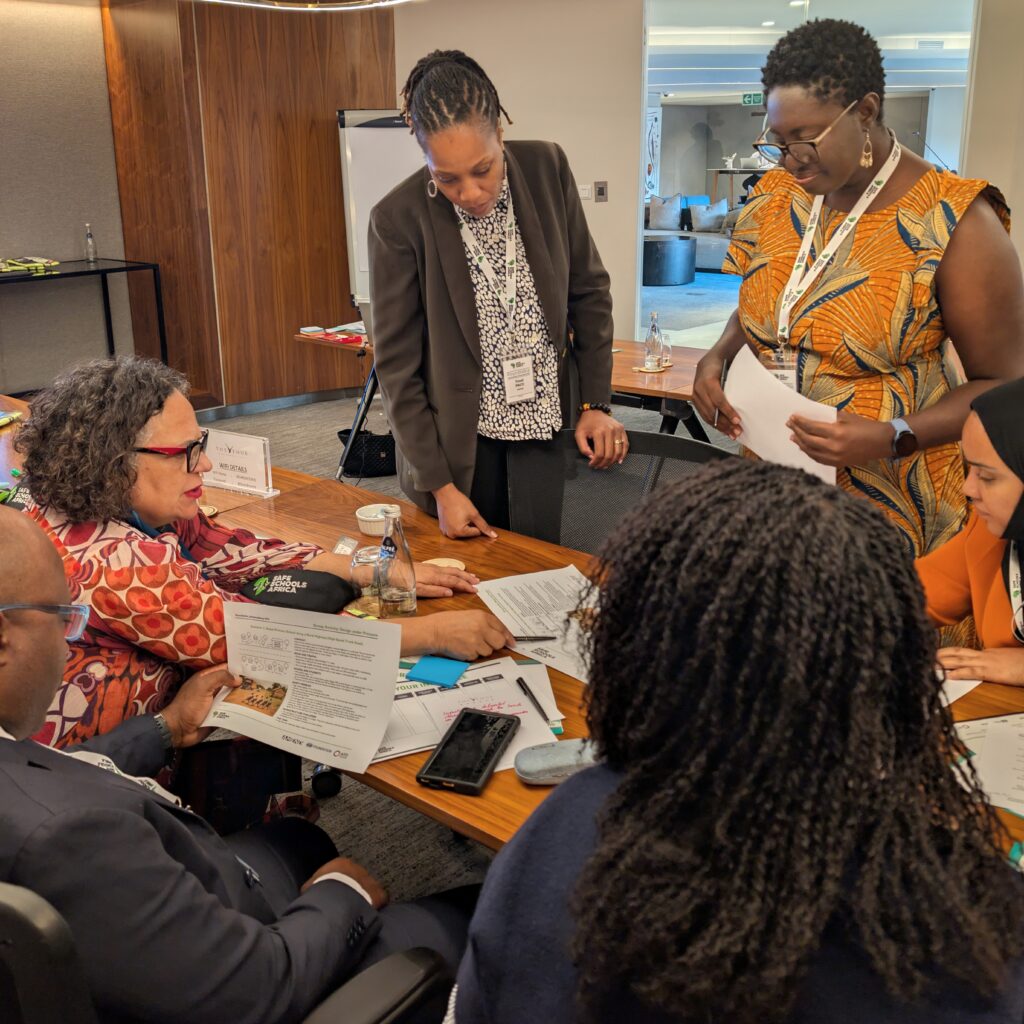
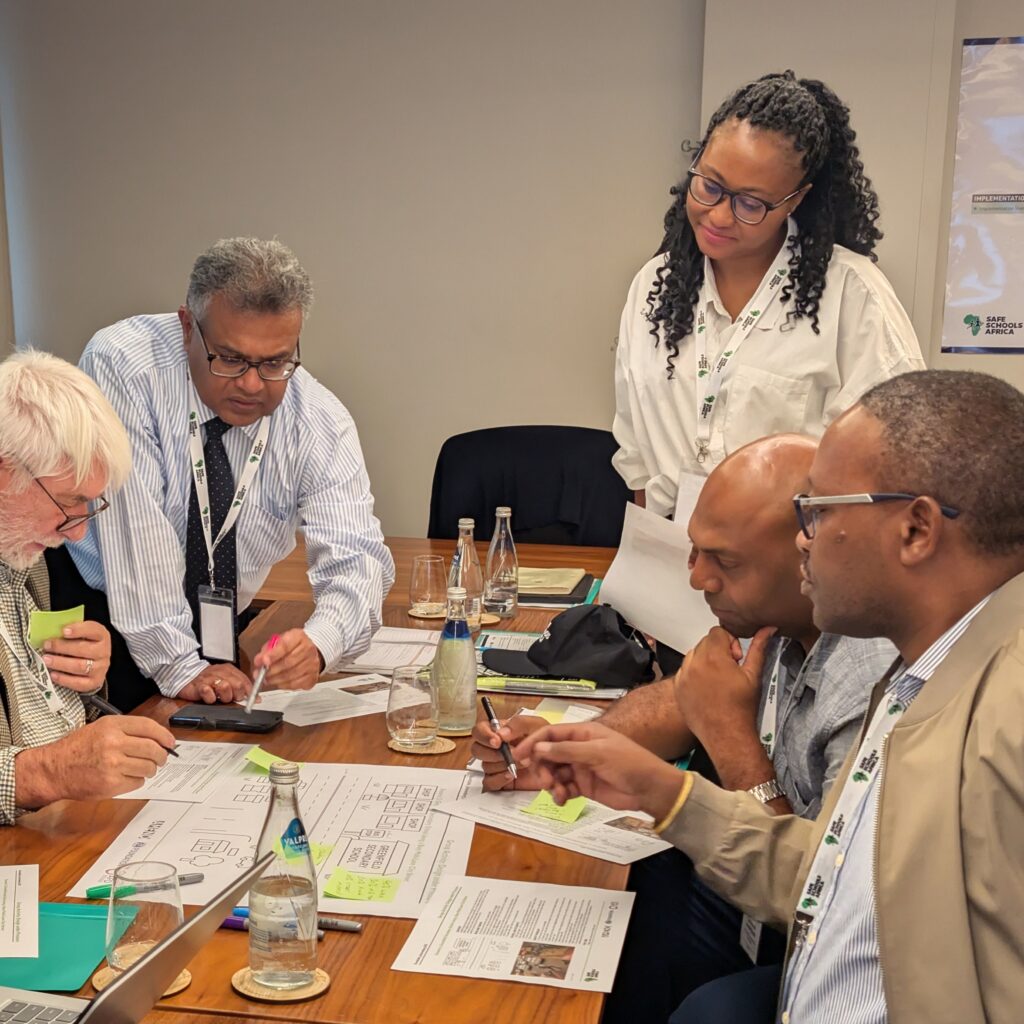
The Roundtable also featured practical group work structured around two contrasting school-road environments – a rural highway setting and an urban arterial road. Participants rapidly identified risks, prioritised countermeasures, and debated the trade-offs that design teams encounter when balancing safety, speed, space, and budget.
The discussions revealed several principles:
- Speed management is foundational to child safety.
- Crossings must reflect real pedestrian desire lines, not just engineering convention.
- School gates and bus stops can create hazards if poorly placed.
- Informal activity patterns need to be treated as design inputs, not obstacles.
- And critically: good design requires multidisciplinary collaboration, not isolated effort.
These conversations illuminated what practitioners across countries consistently face: how to prioritise children in contexts where road projects must satisfy multiple, sometimes competing, objectives.
What Needs to Happen Next: Key Takeaways for Road Agencies and Development Partners
Across the day, several themes consistently re-emerged as priorities for strengthening child safety in road development projects:
1. Integrate child safety at the earliest project stages
Project preparation and appraisal define what a road will deliver. Child safety cannot be retrofitted without significant cost or compromise.
2. Make safety requirements explicit in project documentation
If minimum school-area standards are absent from tender documents, they are unlikely to be delivered.
3. Invest in technical capacity
Designing for vulnerable users requires specialised knowledge – and governments and project teams need support to build this expertise.
4. Strengthen national guidelines
Countries could benefit from clear, standardised expectations for Safe School Zones that can be consistently applied across projects.
5. Pair infrastructure with community engagement
Awareness campaigns reinforce the impact of physical improvements.
The Value of Coming Together
In the words of Fatima Arthur, one of the Roundtable participants:
Road safety is a challenge in our African countries. Amend is helping to raise awareness and to improve designs, while sharing valuable knowledge and expertise, with road infrastructure projects and governmental entities.
Her reflection captured the spirit of the day: a shared commitment to understanding the realities, constraints, and opportunities within road development – and a willingness to collaborate toward solutions.
Looking Ahead
The Roundtable reinforced a growing continental momentum. Across Africa, governments and partners are recognising that roads must serve the people who use them – especially children, who walk more than any other group.
Safe Schools Africa, led by Amend with support from the FIA Foundation and the Agence Française de Développement (AFD), will continue supporting governments, MDBs and technical teams to translate these insights into tangible safety improvements on the ground.